

Watch Minco’s New Video FAQ
Minco has been around nearly 65 years and as a result, we have encountered a fair number of FAQs – Frequently Asked Questions.

Stator Temperature Sensors with wide Hazardous Area Certifications
Minco’s S1 stator temperature sensors have broken barriers with their wide range of hazardous area certifications.
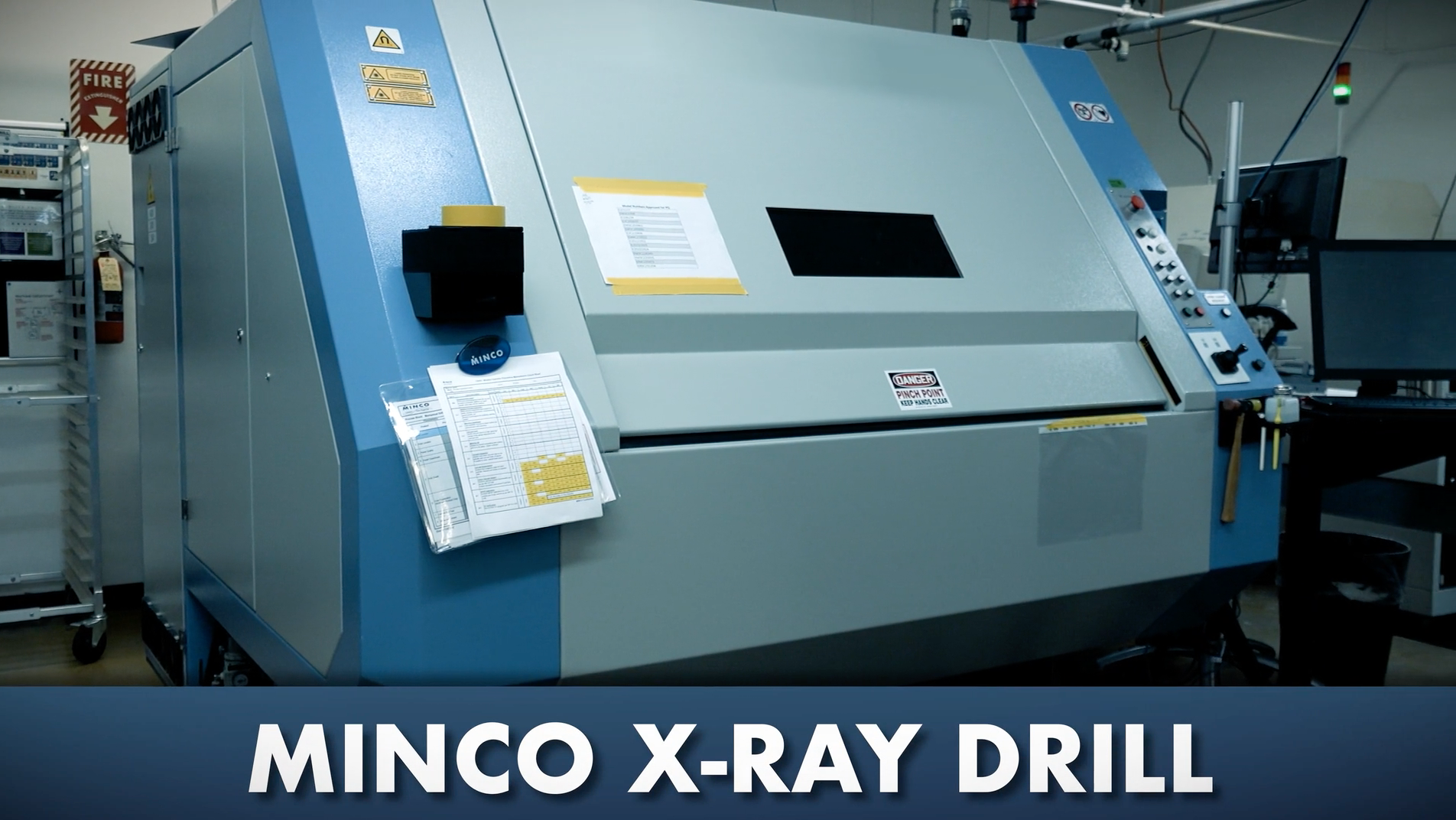
Introducing Minco’s New X-Ray Drill
Minco’s recent acquisition of a new x-ray drill improves our ability to create smaller feature sizes while demonstrating our commitment to expanding our multi-layer flex and rigid-flex capabilities.
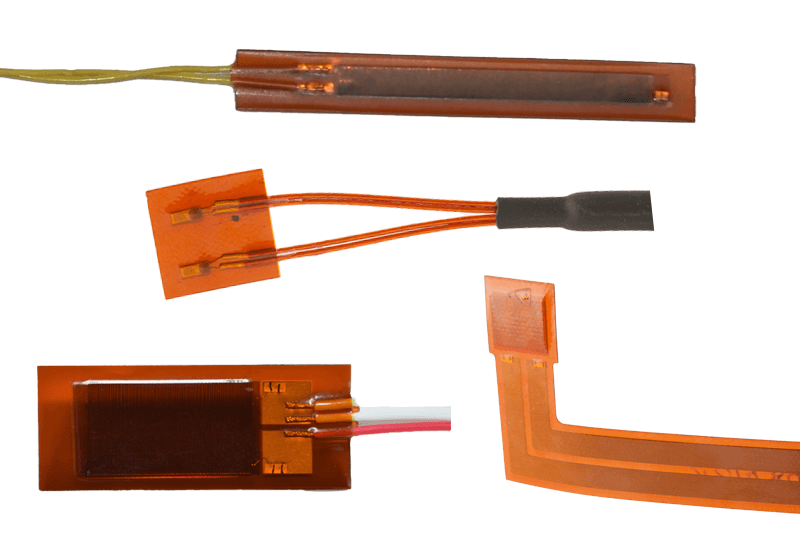
Standard or Custom Temperature Sensors: Which are Best?
As with most difficult questions, it depends. Fortunately, Minco has you covered in either case with a wide range of sensor options including RTDs, thermocouples, thermistors, and digital IC sensors.
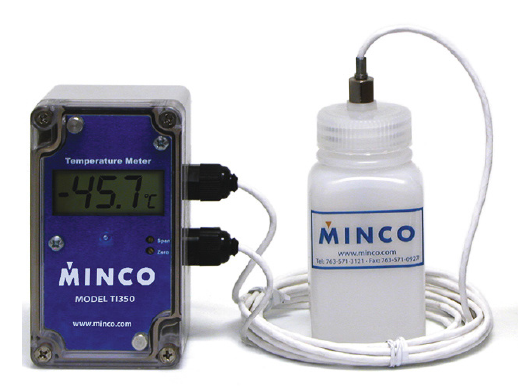
Monitor Temperature in Ultra-Low Freezer Applications
Temperature measurement in applications as low as -120°F presents challenges on multiple fronts. With Minco’s extensive experience using our wire-wound platinum RTD (resistance temperature detector) technology, paired with 4-20mA transmitters for simple and reliable signal transmittal, the following challenges of low temperature measurement can be overcome.

Improving Downstream Supply Chain Flexibility
When used in hazardous locations, equipment must incorporate certified temperature sensors which are tested and approved to operate safely within, and not introduce an ignition source into, hazardous environments. The challenge in specifying certified sensors is the wide range of certifications needed for different world areas.

World of Wheels: Social Distanced Fun at Minco
Even during the COVID-19 pandemic, Minco still finds a way to put on fun events for its employees. On September 24th Minco’s “party squad” put on the event titled “World of Wheels, which allows employees to bring in and display any sort of machine as long as it is on wheels.

Russian Certification Requirements for Temperature Sensors
Certification requirements for Russia can be confusing to the uninitiated. Fortunately, Minco has the necessary experience and certifications to understand and provide TR CU certification (EAC mark), Metrology (= Pattern Approval) certification, Technical Passports and Poverka part verification certificates.
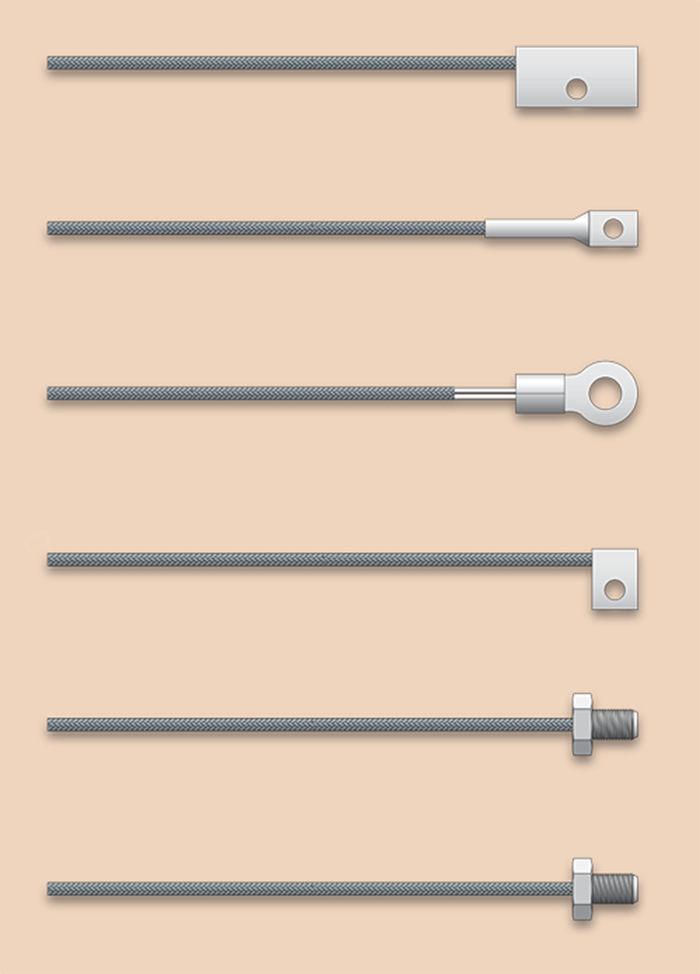
Minco’s Bolt-On Sensors Offer Expanded Options
Bolt-on temperature sensors are designed for easy installation in industrial and commercial environments. The sensors can be mounted on machines, against process pipes, or embedded directly into a machined part.
Minco’s 2020 Intern Video
This year, Minco decided to not only continue our internship program, but expand it as well. Every intern has a pivotal part in their department, having a hands-on experience that helps our business processes.

Built for the Cold: Temperature Sensing and Thermal Solutions for Cryogenic Environments
Built for the Cold: Temperature Sensing and Thermal Solutions for Cryogenic Environments As technology pushes into colder and more demanding environments, temperature management becomes increasingly

Introducing the Industry’s First Low Outgassing Flexible Lead Wire Encapsulation for Spaceflight Heaters
New Standard for Spaceflight Thermal Control Spaceflight hardware is expected to perform flawlessly in some of the harshest environments ever encountered. Every component—from propulsion systems to

From Earth Orbit to Interstellar Space: Reflecting on Minco’s Space Heritage
As the pace of innovation in the space industry continues to accelerate, it’s worth taking a moment to reflect on the foundation that makes today’s
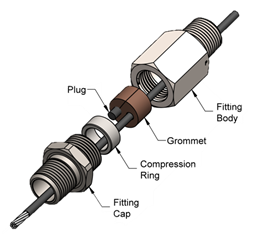
Minco FG4015 and FG4014 + AC4015 Leadwire & Cable Seal Fittings: Expanded Hazardous Location Certifications
Minco is pleased to announce expanded certifications for the FG4015 Leadwire & Cable Seal Fitting family, now approved for even more hazardous gas and combustible
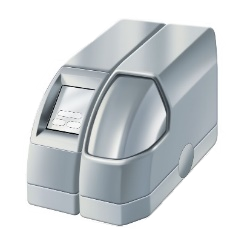
Innovating Medical Devices Through Integrated Component Design
In the highly regulated medical device industry, performance, reliability, and patient safety depend on more than high-quality individual components. True innovation comes from integrating critical
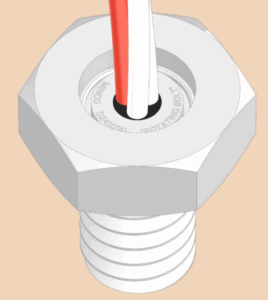
Minco’s Rotating Bolt Temperature Sensor: Precision Meets Practicality
When precision and reliability matter most, engineers turn to Minco. Our new rotating bolt temperature sensor redefines bolt-on RTD design by solving one of the
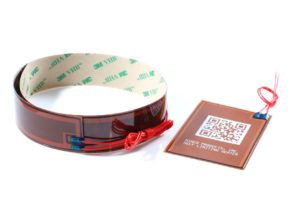
New Q&A Document: SmartHeat™ SLT Heaters for Aerospace Applications
In aerospace engineering, thermal management is always a balancing act—designing systems that maintain precise temperature control while keeping the architecture as simple, reliable, and efficient
PT100 vs PT1000 RTDs: What’s the Difference and Which Should You Choose?
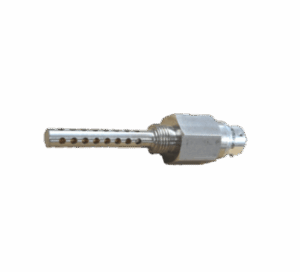
When it comes to industrial temperature measurement, RTD temperature sensors (Resistance Temperature Detectors) are a go-to choice for engineers and designers seeking accuracy, stability, and
Decades of Experience, Unmatched Expertise: Minco Flexible Heaters for Space Exploration
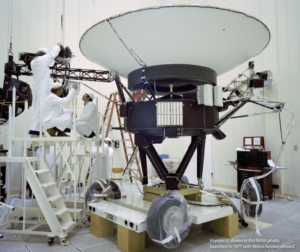
For nearly 50 years, Minco has been at the forefront of thermal innovation, delivering solutions that define reliability and precision in space exploration. With a proven track

Minco Glass-on-Ceramic Wire-Wound RTD Elements
Minco’s Glass-on-Ceramic Wire-Wound RTD Elements offer unparalleled performance for a variety of demanding applications – now available with shorter lead times! Here’s why Glass-on-Ceramic is
New Temperature Sensors for use in Aerospace!
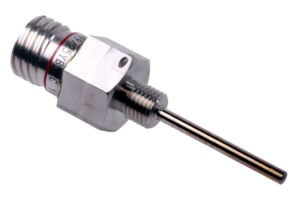
Aviation is one of the most demanding environments for technology. Aircraft components must perform reliably under extreme conditions, from the high, icy altitudes of flight

New Products Added to Our Popular Thermal Ribbon Product Offering!
In our ongoing commitment to advancing temperature sensing technology, Minco is proud to introduce four new Thermal Tabs to our existing product offering. These new